Banknote collectors are familiar with the existence of notes with special numbering, known as replacement series or special series. Their issue is linked to the need for substitute specimens that can, when necessary, replace those with defects.
Many printing works have operated and continue to operate on this principle — among them, for example, the Banca d’Italia during the period of the Italian Republic when it issued lira banknotes, from 1947 to 2001.
Euro banknotes, however, have never provided for the printing of replacement series since the very first series. The management of replacements is handled purely through accounting.
The euro is not simply a continuation of national banknote practice. Euro banknotes are produced through the Eurosystem, with the ECB and national central banks coordinating production, stocks, issue and withdrawal across the euro area. The production and accounting framework is shared, even when individual printing works and national central banks have specific roles.
Evidence before rarity
The responsible answer depends on the claim being made.
| Question | Responsible answer |
|---|---|
| Do euro banknotes have a printed replacement series? | No special visible replacement series is documented for first-series or Europa-series euro banknotes. |
| Can defective production notes be replaced? | Yes, production and stock systems must account for unsuitable notes, but this is not shown as a public replacement serial class. |
| Can unusual serials be collectible? | Sometimes. Low numbers, repeated digits or distinctive patterns may interest collectors, but rarity needs evidence. |
| Does a serial pattern prove authenticity? | No. Authentication still depends on the security features and, when needed, professional verification. |
This is a narrow conclusion, but it is a useful one. It separates a real collecting term from an unsupported euro-banknote claim.

Europa-series 10 euro. Every euro banknote carries an ordinary serial number; replacement production is handled inside accounting systems, not through a visible printed prefix.
Unusual serials inside normal code logic
None of this makes serial numbers unimportant. It only changes what they can responsibly prove.
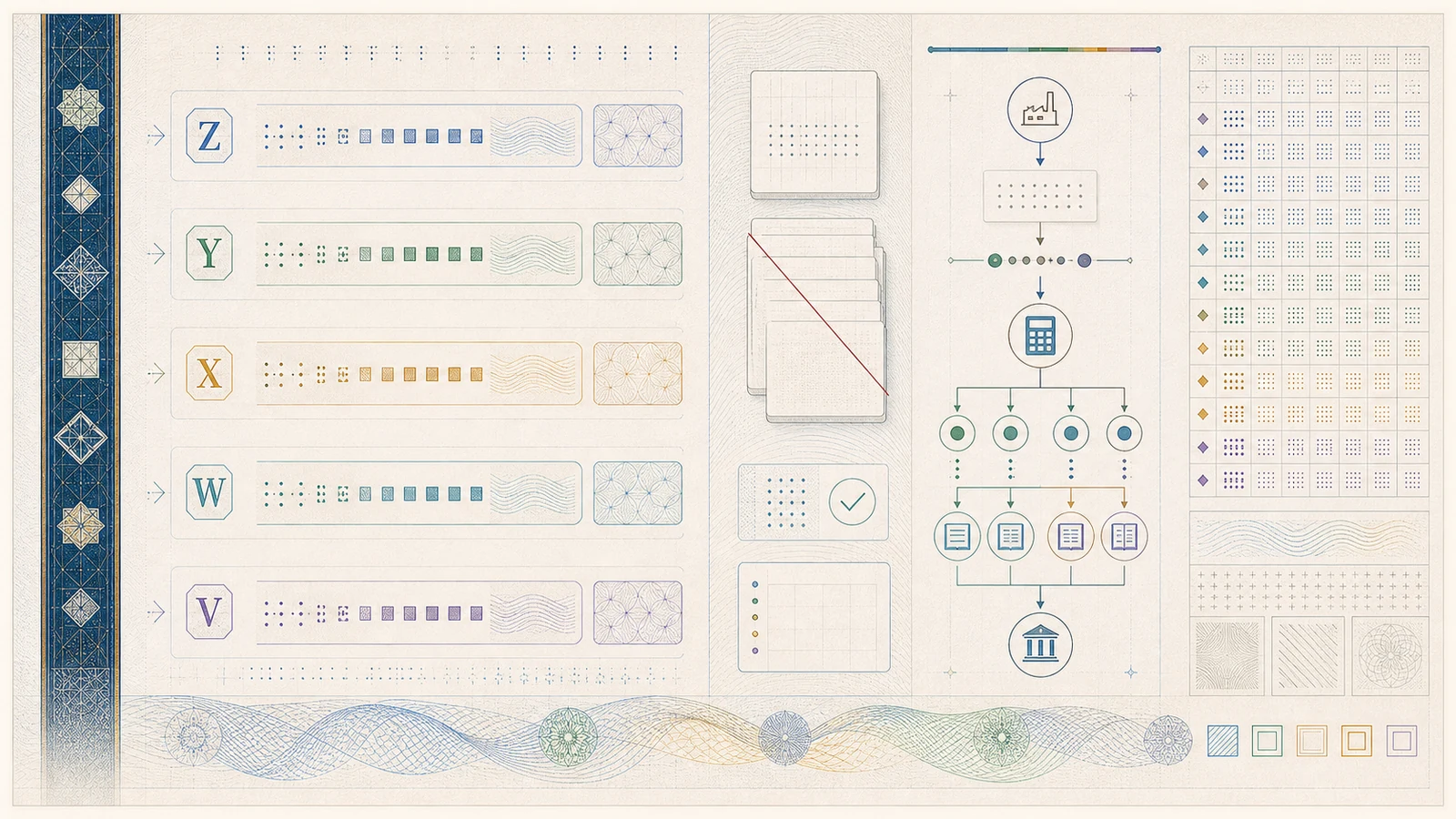
On the first euro series, the serial number begins with one letter followed by eleven digits. That first letter is linked to the national central bank associated with the issue. On the Europa series, the serial number begins with two letters followed by ten digits, and the first letter is linked to the printing works.
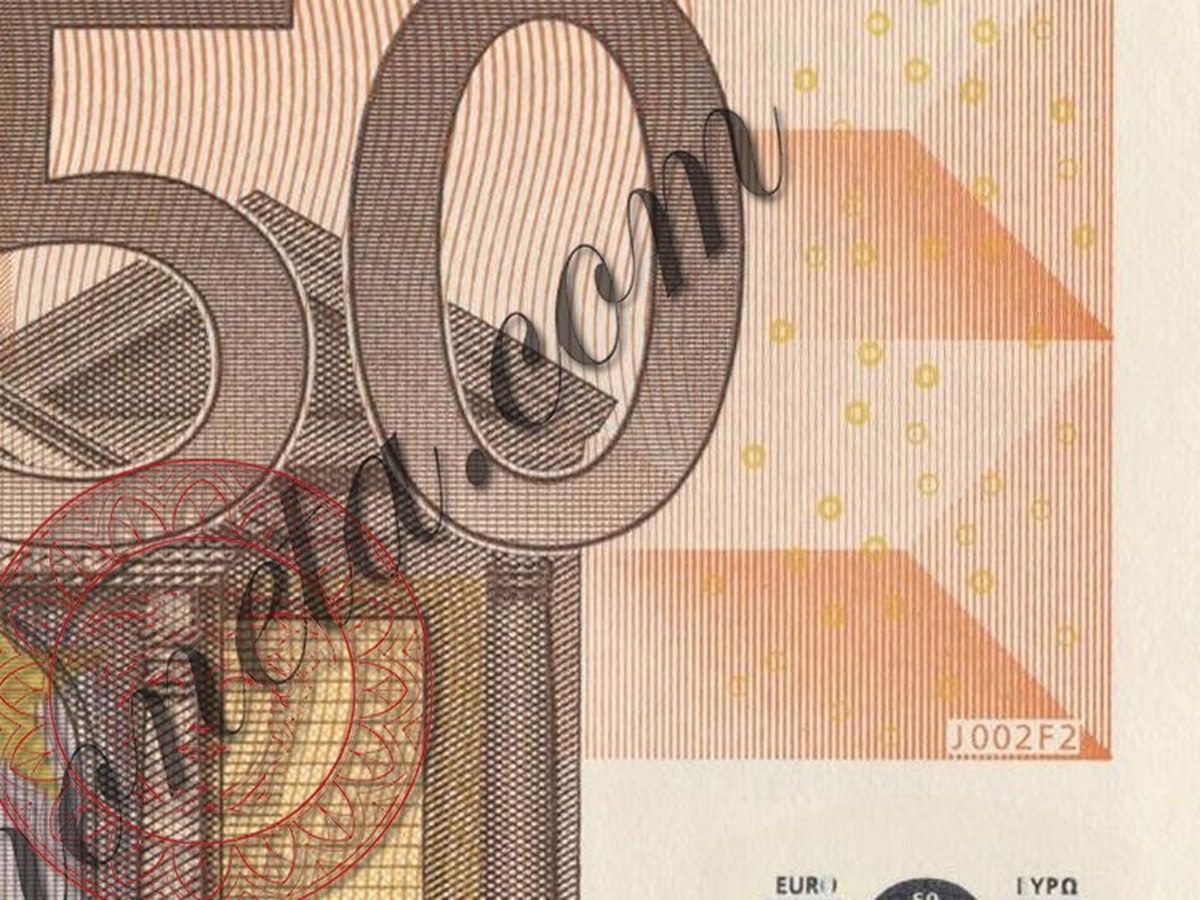
Those structures matter for identification. They help place a note in the correct series and they connect with the short production code printed elsewhere on the banknote. The short code can identify the printing works, the plate number and the sheet position. Together, the serial number and the production code give a better view of the note’s production context.
They do not create a replacement category. A strange-looking number, a memorable sequence or a surprising letter combination still has to be interpreted inside the normal serial-number and printer-code systems.
Where serials stop being evidence
The safest collector habit is to separate observation from conclusion.
It is fine to say that a note has a low serial number, a repeated-digit pattern, a palindrome-like sequence or a combination that seems uncommon in a personal sample. It is stronger, and riskier, to say that the note is rare. It is stronger still to say that it is a replacement note.
Those stronger claims need documentation: production information, a recognised catalogue reference, a published study, a clear comparison set, or a specialist opinion. Without that support, the serial number remains an interesting feature rather than evidence of a special issue.
The same caution applies to checksums. Serial-number arithmetic can reveal whether a number follows the expected structure, but passing a control check does not authenticate a banknote. A correct-looking number can be copied or invented. The banknote itself still has to be checked through paper, raised print, watermark, security thread, hologram and other security features.
Documenting an unusual serial
When a serial number seems worth studying, the best approach is ordinary documentation.
Record the series, denomination, signature, serial number, short production code, condition, source of acquisition and clear images of both sides. If the note is first series, distinguish the national-letter logic from the printer-code letter. If it is Europa series, distinguish the two-letter serial format from the short production code.
Then compare it with trusted references. The question is not only “does this look unusual?” but “what does this unusual feature mean in the wider production system?”
That method keeps the subject interesting without making the evidence carry more weight than it can bear.
The value of a negative answer
The absence of euro replacement series may sound like a small technical point, but it is exactly the kind of clarification an encyclopedia should preserve. It protects readers from a tempting mistake: importing a familiar collecting idea from another currency and applying it to euro banknotes without support.
It belongs next to the serial numbers and printer codes: together they make one practical rule clear — euro banknote codes are worth studying, but they should be read through production evidence, not through assumptions.