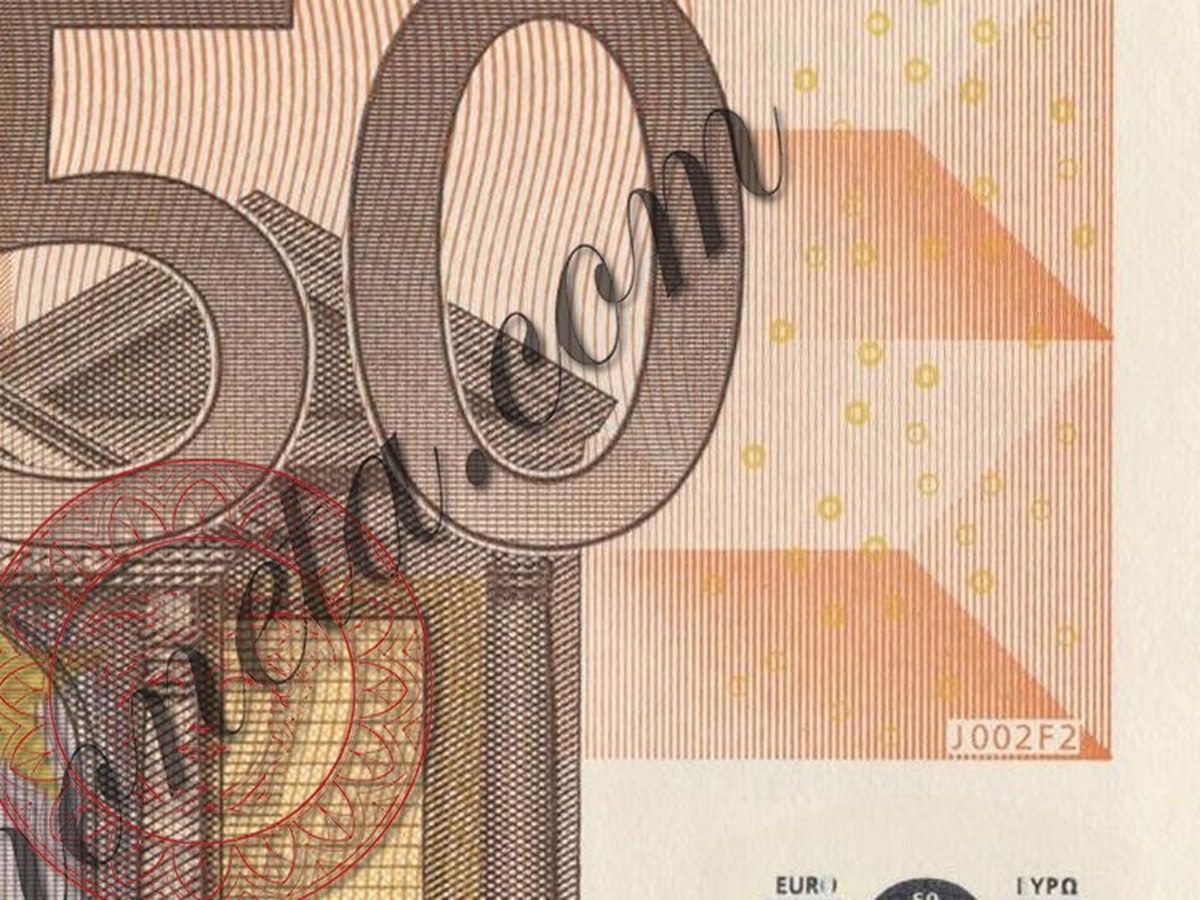
The National Bank of Belgium printed its own banknotes in Brussels from 1851. The last sheets left its presses in 2020, which makes the Belgian works one of the euro-era printing houses whose letters are now a closed set: no further notes will ever be added to them.
| Country | Belgium |
|---|---|
| Printing site | Brussels |
| First-series printer letter | T |
| Europa-series printer letter | Z |
| Europa-series control number | 9 |
| Status | Closed — last banknotes printed in 2020 |

The National Bank of Belgium in Brussels. Its printing works, in the same city, produced banknotes until 2020.
From Belgian francs to the euro
The Brussels printing works produced Belgian franc notes for a century and a half before moving on to the euro. It printed part of the first series from 1999 and continued into the Europa series, where its production code letter was Z with control number 9.
The decision to stop was an economic one shared by several small and mid-sized central banks. Euro banknote production is tendered and allocated across the Eurosystem, and a plant that prints only a modest annual volume struggles to justify the investment cycle that modern security printing requires.
What replaced it
Since production ended, the Belgian allocation has been printed by other Eurosystem works, principally the Austrian and Portuguese central-bank printers. In practical terms this means the letters T and Z continue to appear in circulation on older notes, while newly printed banknotes issued on behalf of Belgium carry the letters of the works that actually made them.
For collectors this closes a series cleanly. Every euro banknote bearing the Brussels printer letters was produced between 1999 and 2020, and the population can no longer grow.
Reading the code on a note
Belgian-printed notes are identified by the production code, not by the serial number. The first-series letter T and the Europa-series letter Z sit at the head of that short code; the grammar of the rest is set out in printing offices and printer codes.