News
The milestones of euro banknotes told on the date they happened: from the arrival of cash in 2002 to the renewal of the Europa series, up to the work on the next series.
-
How the ECB survey will help choose the next euro banknotes
The public survey on the ten shortlisted euro banknote designs is open until 21 September 2026. Here is how to take part and how the final proposal will actually be chosen.
-
The ECB unveils ten designs for the next euro banknotes
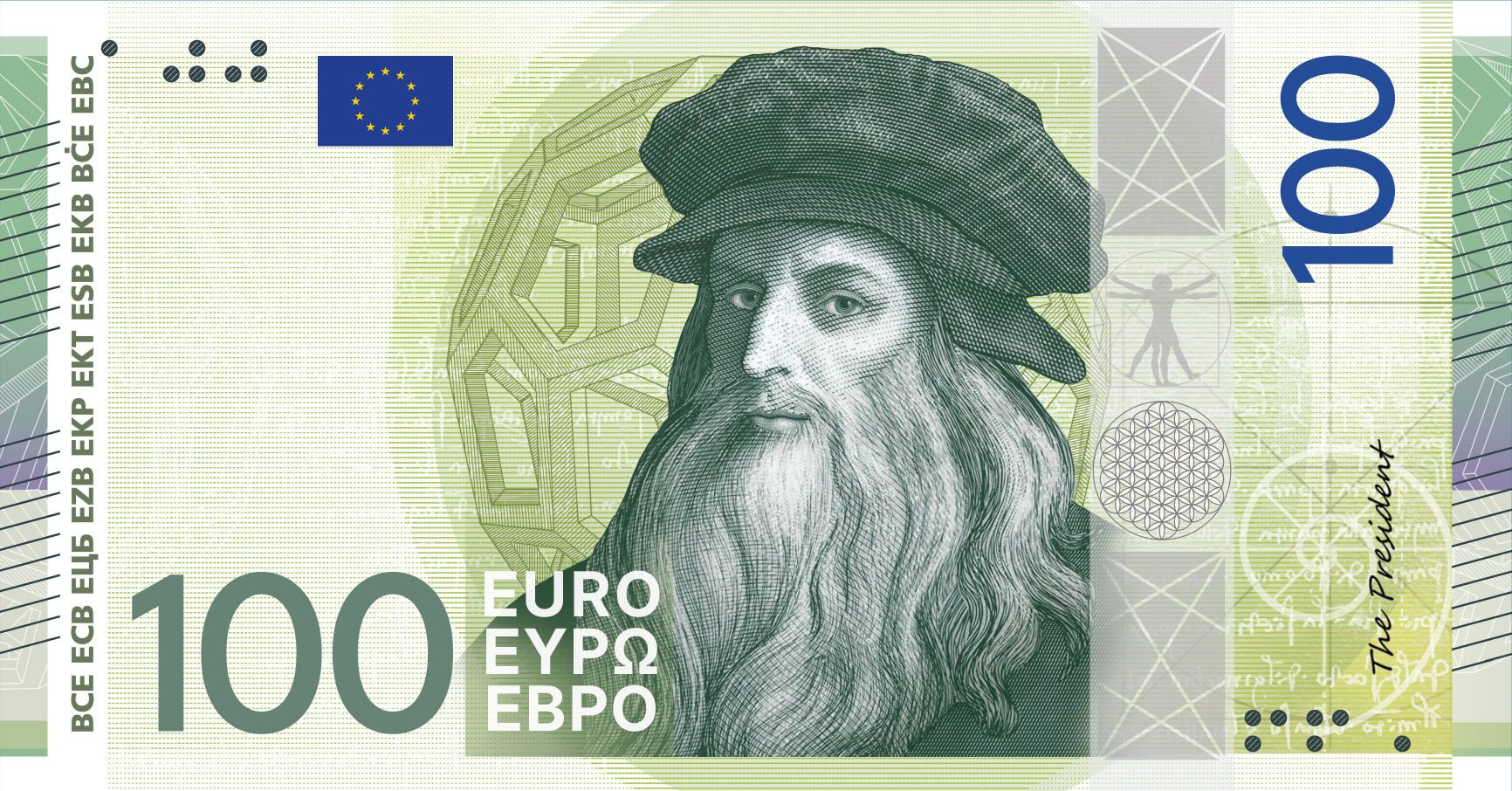
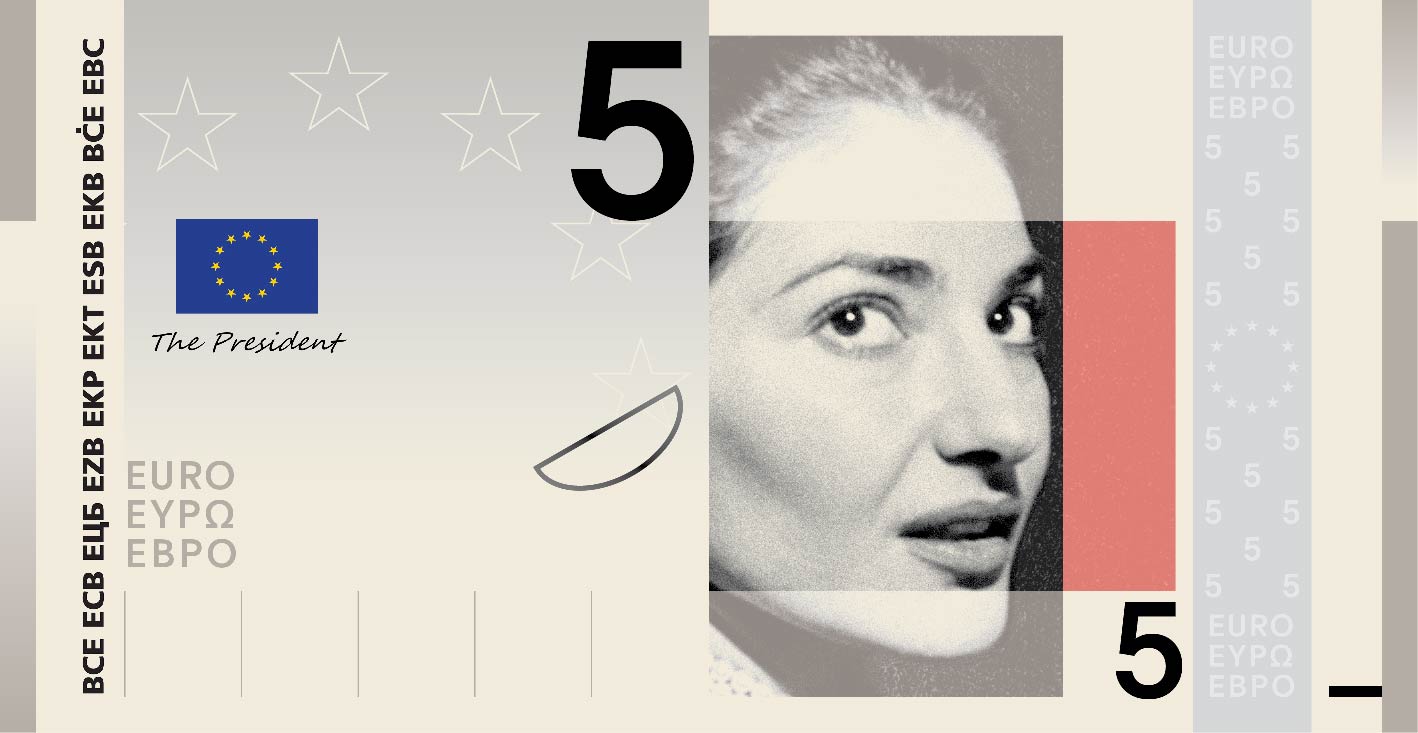
On 23 July 2026 the ECB presents ten shortlisted design proposals and opens a European public survey that will run until 21 September.
-
Bulgaria adopts the euro: the area's twenty-first country
On 1 January 2026 Bulgaria adopts the euro and becomes the twenty-first member of the euro area, the most recent state in which euro banknotes enter circulation.
-
The ECB launches the design contest for future banknotes
On 15 July 2025 the ECB opens the design contest for the next series of euro banknotes, on the themes 'European culture' and 'Rivers and birds'.
-
Croatia adopts the euro, bringing the area to twenty countries
On 1 January 2023 Croatia adopts the euro and becomes the twentieth country in the euro area, the first new entry since Lithuania in 2015.
-
The ECB starts work on redesigning euro banknotes
On 6 December 2021 the ECB announces that euro banknotes will be redesigned with the involvement of European citizens, with a final decision expected in 2024.
-
The new 100 and 200 euro notes complete the Europa series
On 28 May 2019 the new 100 and 200 euro banknotes enter circulation: the Europa series is complete, from 5 to 200 euro.
-
The ECB stops issuing the 500 euro note
From 27 January 2019 most Eurosystem central banks stop issuing the 500 euro note. It remains legal tender and keeps its value.
-
The new 50 euro note enters circulation
On 4 April 2017 the Europa-series 50 euro arrives, the most widely used denomination in the euro area, with the transparent portrait window and the emerald number.
-
The ECB decides to end the 500 euro note
On 4 May 2016 the ECB announces it will stop producing and issuing the 500 euro note and leave it out of the Europa series, while confirming it stays legal tender and keeps its value.
-
The new 20 euro note introduces the portrait window
On 25 November 2015 the Europa-series 20 euro enters circulation and debuts the portrait window, a transparent window in the hologram that shows the face of Europa from both sides.
-
Lithuania adopts the euro and completes the Baltic trio
On 1 January 2015 Lithuania adopts the euro and becomes the nineteenth country in the euro area, completing the Baltic sequence after Estonia and Latvia.
-
The new 10 euro note continues the Europa series
On 23 September 2014 the Europa-series 10 euro enters circulation, the second denomination of the new generation, with the portrait of Europa, the emerald number and a more durable coated paper.
-
Latvia adopts the euro and becomes the eighteenth member
On 1 January 2014 Latvia adopts the euro and becomes the eighteenth country in the euro area, at a moment when the first and second banknote series coexist.
-
The new 5 euro note opens the Europa series
On 2 May 2013 the first banknote of the Europa series, the 5 euro, enters circulation, with the portrait of Europa in the watermark and hologram and new security features.
-
The ECB announces the Europa series
On 8 November 2012 the Eurosystem announces the second series of euro banknotes, named after the mythological figure Europa, starting with a new 5 euro note in May 2013.
-
Estonia adopts the euro as the first Baltic member
On 1 January 2011 Estonia adopts the euro and becomes the seventeenth country in the euro area, opening the Baltic chapter of euro cash.
-
Slovakia adopts the euro and takes the area to sixteen countries
On 1 January 2009 Slovakia adopts the euro and becomes the sixteenth country in the euro area, extending euro cash further into central Europe.
-
Cyprus and Malta adopt the euro together
On 1 January 2008 Cyprus and Malta adopt the euro on the same day, taking the euro area from 13 to 15 countries in a single enlargement.
-
Slovenia adopts the euro: the first new country after 2002
On 1 January 2007 Slovenia becomes the thirteenth country in the euro area and the first of the states that joined the Union in 2004 to adopt the single currency.
-
The first euro banknotes enter circulation
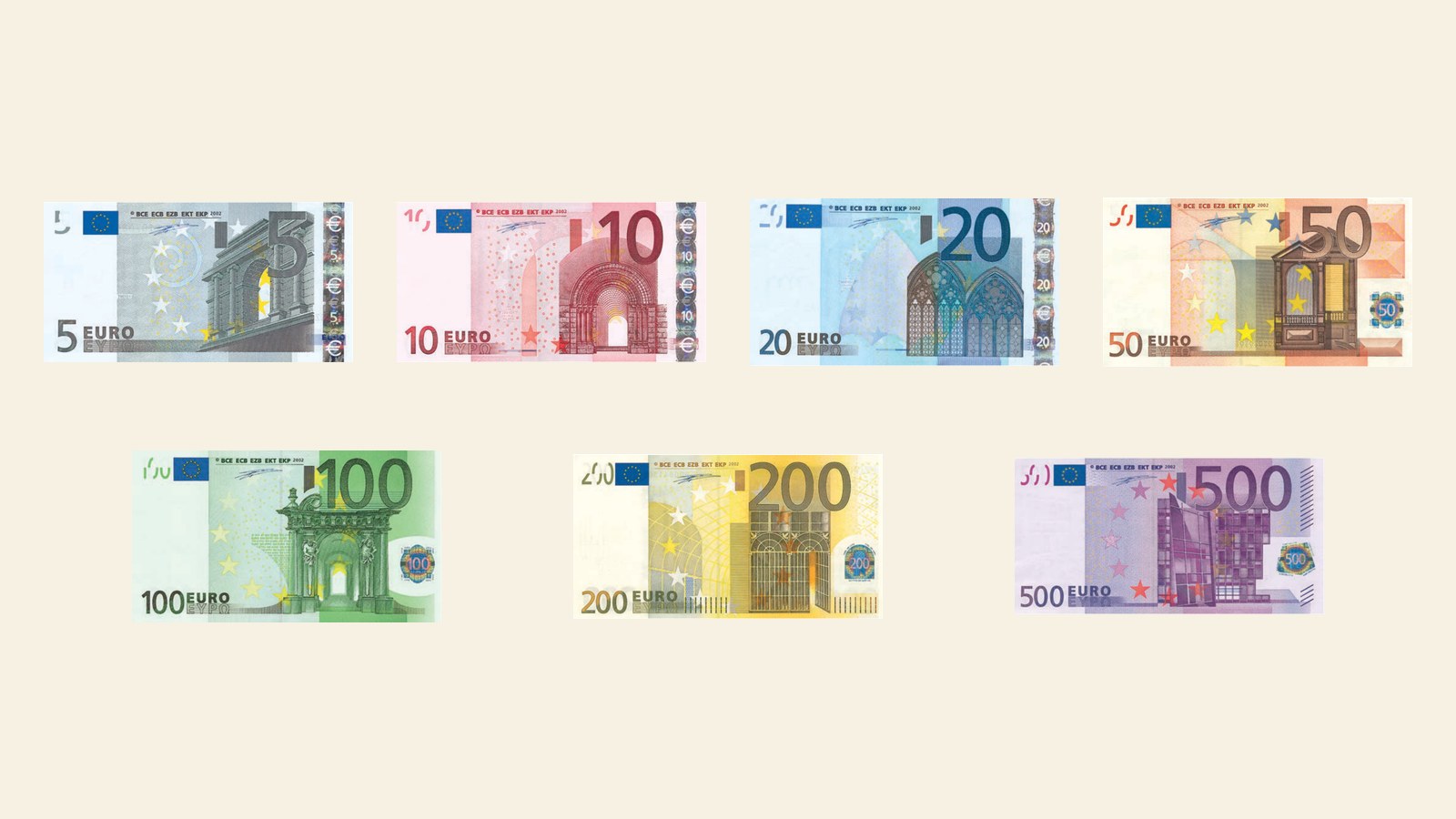
On 1 January 2002 twelve countries adopt euro cash in the largest currency changeover ever attempted. Seven denominations begin circulating, from 5 to 500 euro.
-
Greece joins the euro area, one year before euro cash
On 1 January 2001 Greece adopts the euro and becomes the twelfth member of the euro area. Yet Greeks still use drachma cash until the banknotes and coins arrive in 2002.
-
The euro is born: the single currency before the cash
On 1 January 1999 the euro becomes the currency of eleven European countries, but only as electronic and accounting money. The banknotes and coins will arrive three years later, in 2002.
-
The design of the first euro banknotes is chosen
On 3 December 1996 the European Monetary Institute selects Robert Kalina's 'Ages and styles of Europe' design for the first euro banknotes, five years before the notes reach people's pockets.