Cyprus and Malta adopt the euro on the same day, 1 January 2008. The euro area therefore jumps from thirteen to fifteen countries at once, an enlargement that is unusual not only because it involves two accessions together, but because both are full cash changeovers from the first day.
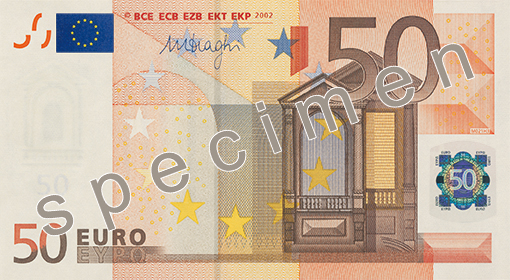
Cyprus and Malta adopt the same first-series euro banknotes already used elsewhere in the euro area.
The conversion rates are fixed at €1 = CYP 0.585274 for the Cyprus pound and €1 = MTL 0.429300 for the Maltese lira. In both countries the euro is introduced under a “big bang” approach with a one-month dual-circulation period, so euro and legacy cash coexist until the euro becomes the sole legal tender on 1 February 2008.
The practical challenge is larger than the geography might suggest. Island economies depend on careful pre-distribution of cash to banks, retailers and transport channels before the first day of circulation. The ECB explicitly notes that early frontloading to professional cash users helped reduce logistical pressure and the cost of keeping two currencies side by side.
For euro banknotes, the event changes geography rather than design. Cyprus and Malta receive the same first-series notes already in use since 2002: no special national variant exists on the banknote side, unlike coins, where each country has its own national face.
That distinction is worth stressing because it reveals one of the euro’s basic visual rules. When the euro area enlarges, the banknotes do not fragment into local editions. The same shared paper money simply extends to a new territory, while national identity is left to the coin side and to the broader legal and institutional context.
The 2008 enlargement also shows that euro accessions do not have to happen one by one. Cyprus and Malta arrive together, yet the notes remain fully standardised and the public message remains the same in both places: same value, same shared banknotes, new everyday monetary space.
In the chronology of euro cash, Cyprus and Malta occupy a midpoint between the first post-2002 accession of Slovenia and the later enlargements in central and Baltic Europe. They confirm that the initial 2002 launch was not the end of the story, but the beginning of a currency area still capable of growing.

