Europe’s opinion on the next euro banknotes is being collected now. The European Central Bank’s online survey is open until 21 September 2026 and presents the ten complete design families selected by the contest jury in July.
Participation has already been unusually high. On 29 July, Il Sole 24 Ore reported that Christine Lagarde had thanked the first six million participants and encouraged more people to respond. That figure shows the scale of interest, but it does not turn the consultation into a simple majority vote.

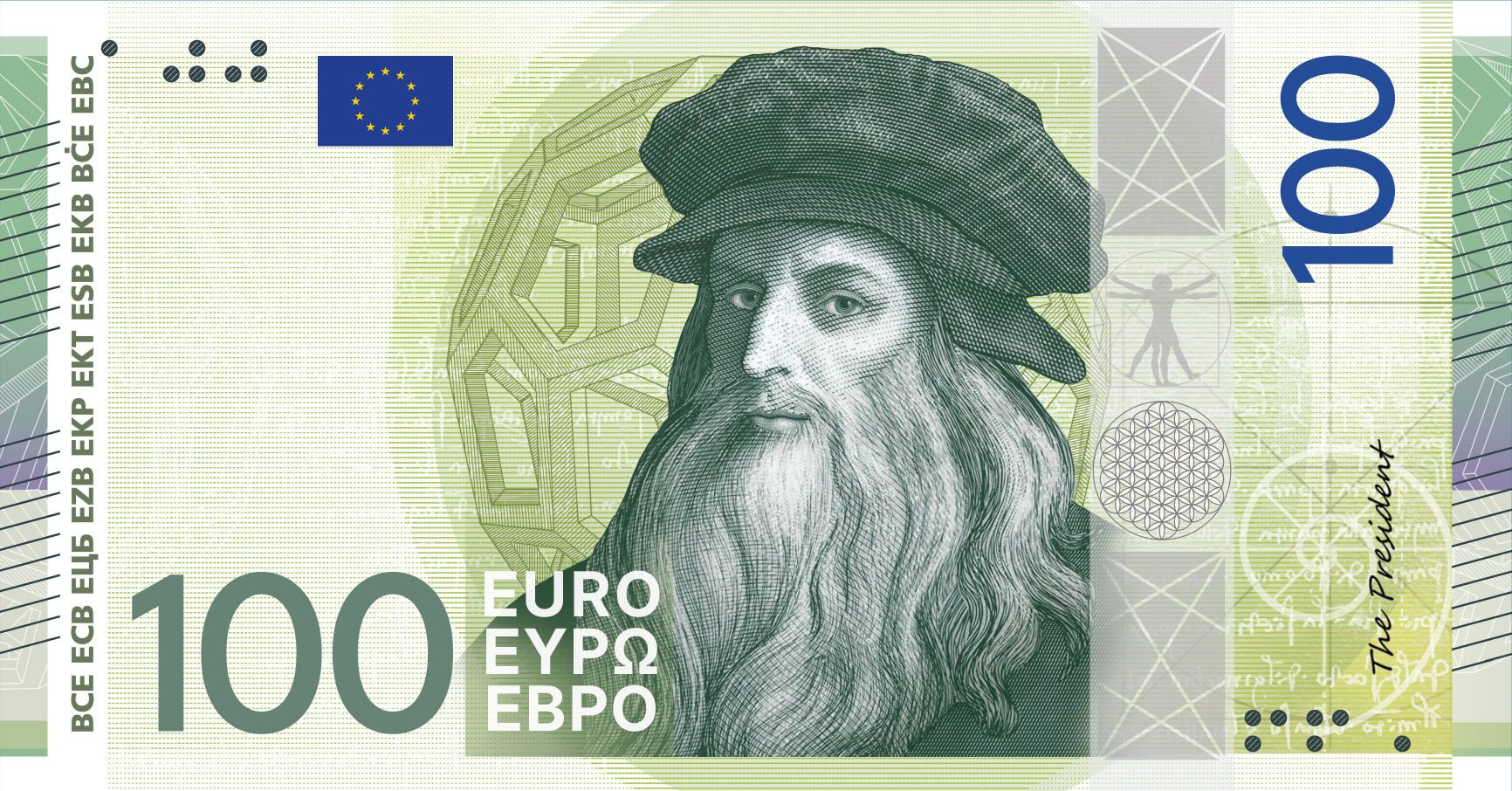
Design J by Ville Tietäväinen, one of the ten shortlisted families. It is a proposal, not an issued or approved banknote.
What participants are being asked to compare
The survey does not put ten isolated banknotes against one another. Each candidate is a coordinated family for the six planned denominations: 5, 10, 20, 50, 100 and 200 euro. The questionnaire shows all ten proposals and asks participants to express their preferences.
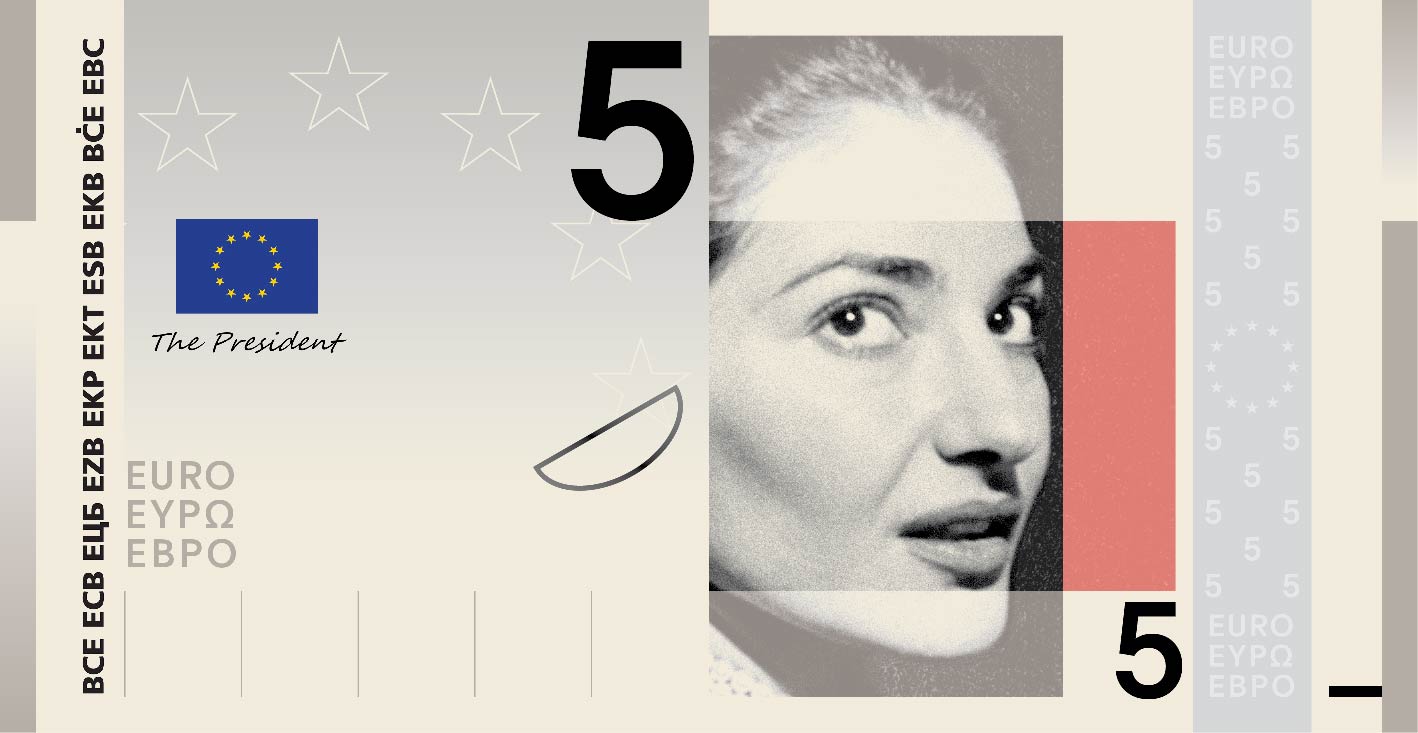
Five families interpret European culture, with figures including Maria Callas, Ludwig van Beethoven, Marie Curie, Miguel de Cervantes, Leonardo da Vinci and Bertha von Suttner. Five interpret Rivers and birds, following water from mountain springs to the sea and pairing landscapes and bird species with European institutions.
The complete proposals can be examined in the shortlist article before opening the questionnaire. The images are candidates only: colours, security elements and production details may change after the selection.
Public preferences are one input, not the final verdict
The Governing Council will not automatically declare the most popular online proposal the winner. The ECB has identified four bodies of evidence that will be considered together:
- the conclusions of the independent contest jury;
- a technical assessment of the shortlisted families;
- the open online survey for everyone in Europe;
- a parallel survey, with the same questions, conducted by an independent research company on a representative sample of euro-area citizens.
The technical stage matters because a banknote must do more than look convincing on screen. The selected concept has to accommodate security features, machine processing, accessibility for visually impaired people, durability, environmental goals and industrial production.
The ECB has not assigned a published percentage to each of those inputs. The final decision will therefore be a combined institutional judgement, informed by the public response but not delegated to it.
The decision is expected around the end of 2026
After the survey closes on 21 September, the ECB plans to choose one proposal around the end of 2026. It will publish a report on the results of both surveys once the final design concept has been selected.
Even then, the winning family will not be ready for circulation. It must be developed, tested and prepared for production, a process expected to take several years. The ECB has not announced an issue date.
Existing euro banknotes will keep their value and continue to circulate alongside the future series. The survey is therefore a choice about the euro’s next visual identity, not a signal that today’s notes are about to expire.