Greece adopts the euro from 1 January 2001 and becomes the twelfth member of the euro area. It is the first enlargement since the single currency was launched in 1999 and it completes, one year in advance, the group of countries that will use euro cash when the banknotes and coins finally arrive in 2002.

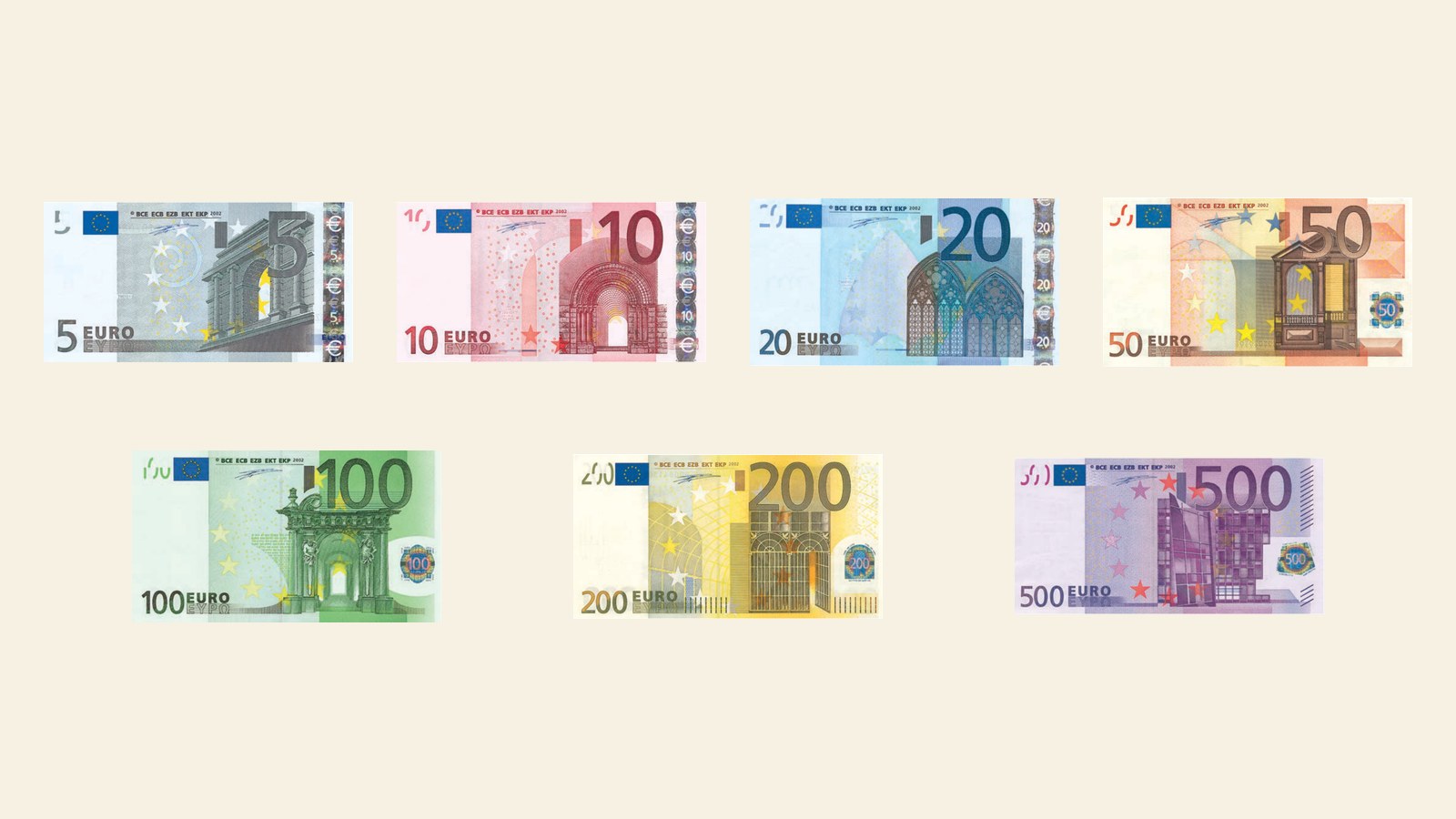
Greece joins the euro area in 2001, but the common banknotes themselves will only arrive one year later.
That timing is the key point. Greece enters the euro area before the cash changeover, so the legal currency changes first and the physical money changes only later. Greek citizens continue to pay with drachma notes and coins throughout 2001, even though the euro has already become the reference currency for accounts, public finance and financial markets.
The conversion rate is fixed irrevocably at €1 = GRD 340.750. From that moment the drachma is no longer an independently moving currency against the euro: it becomes a national expression of a monetary system already run at euro-area level.
Institutionally, the change matters just as much as the rate. The Bank of Greece joins the Eurosystem and participates in the common framework for monetary policy. In other words, the story is not only about exchange arithmetic, but about the transfer of monetary sovereignty into the shared euro-area structure.
For the public, however, 2001 remains an in-between year. Prices, contracts and accounts are progressively translated into euro logic, but daily life is still lived through legacy cash. That makes Greece different from the eleven countries that adopted the euro in 1999 and from the twelve-country cash launch of 2002: it belongs to both moments, but in different ways.
This is also why Greece matters in a timeline of euro banknotes even before a single euro note circulates there. Its accession explains why the first cash changeover is often described as a twelve-country launch although the euro, as a currency, had originally started with only eleven states.
Seen from the perspective of banknote history, 2001 is therefore not a visual milestone but a structural one. No new design appears, no new denomination is introduced, and no one yet receives euro change at a shop counter. What changes is the map of the currency area to which the future banknotes already belong.